
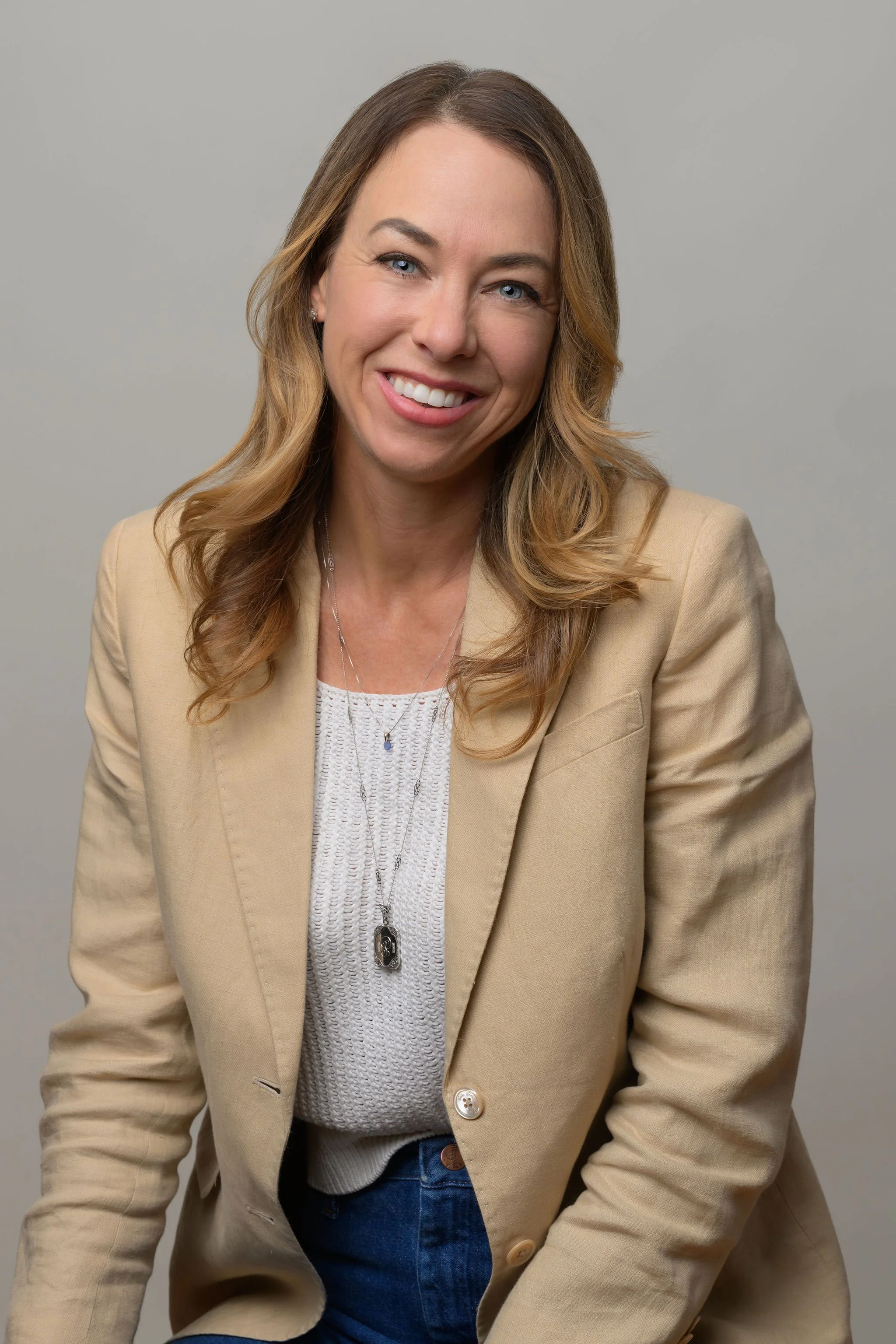
Welcome to Up North counseling!
My name is Ashly Holland Fry, and I am the therapist who will be joining you on your journey of self-exploration and healing. We will work together to identify which areas of your emotional health are suffering and set goals toaddress those concerns. A bit about me: I was born in Bozeman and raised in Montana, which gives me the context to understand some of the complex issues we Montanans face. I am also a local musician which gives me a unique skill set. I am able to engage clients in play therapy, journaling, and songwriting to dispel negative emotions. I received my undergraduate degree in Health Promotion from Montana State University, Bozeman, in 2008, and my master’s degree in social work from Boise State University in 2020. I am dually licensed, which is a fancy way of saying I can treat both substance abuse issues and mental health concerns. I am passionate about helping my clients and bringing a down-to-earth, authentic attitude to our sessions. My favorite modalities are motivational interviewing, Dialectical Behavior Therapy, Strengths-focused therapy, and Cognitive-behavioral therapy. I never want to stop learning new methods to assist my clients, and I am currently studying to become a pet bereavement specialist.
I look forward to working with you and seeing you soon!

Specialties:
All of the various specialties in therapy are valid, however, some practitioners are drawn to one style over the other (which is why you may have to test out a few therapists to find the right one). I specialize in:
Motivational Interviewing:
A collaborative, person-centered communication style that helps people find their own reasons and motivations to change behavior (especially
when they are ambivalent). This is accomplished by exploring your values in a supportive and non-judgmental way and creating goals that protect those values,
aligning your behavior with your ideal self.
Strengths Based therapy (SBT):
A type of positive psychology that focuses on your strengths and resourcefulness rather than your shortcomings, failures, and
weaknesses. I believe that focusing on your strengths, it sets up a positive mindset that we can use to improve resilience and build on those positive qualities.
Person Centered Therapy:
Person-centered (aka. Rogerian/client-based) therapy, adopts a non-authoritative approach that allows you to take the lead in sessions and hopefully, in the process, discover your own solutions. Originated from the work of American psychologist Carl Rogers, who believed that every person is unique and, therefore, everyone’s view of his or her own world, and their ability to manage it, should be trusted. Rogers was a proponent of self-actualization, or the idea that each of us has the power to find the best solutions for ourselves and the ability to make appropriate changes in our lives. During person-centered therapy, a therapist acts as a compassionate facilitator, listening without judgment and acknowledging the client’s experience without shifting the conversation in another direction. The therapist is there to encourage and support the client without interrupting or interfering with their process of self-discovery, as they uncover what hurts and what is needed to repair it.